
A small step forward
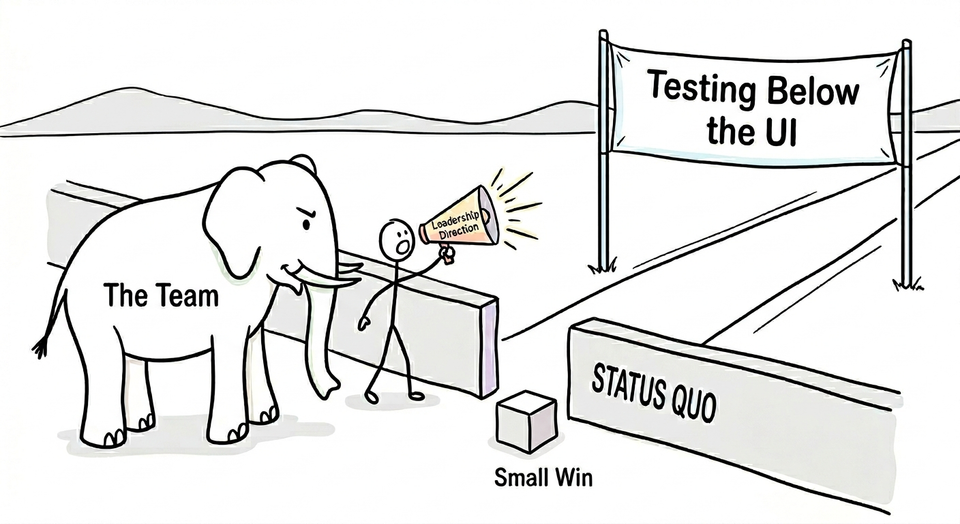
One of my early objectives at FreightPOP is to move the SDET team to write automated tests below the UI. I said as much in my previous post:
Build an automation strategy that explicitly makes adding new tests below the UI a consideration and priority.
Rebuilding the process and establishing a new strategy means having a plan. Starting that plan with small wins gives the team a feeling of accomplishment.
Beyond just being an early strategic goal, I’ve also seen the problem repeat itself. We can’t proceed with a release because we have to wait hours and hours for the automated suite to complete and check for problems.
After reading a blog post by Anne-Marie Charrett, I came across an analogy that resonated with me called the Elephant and the Rider. The analogy goes like this:
Imagine a human rider sitting atop a massive elephant. At first glance, it looks like the rider is in charge, but the reality is much more complicated.
In addition to the cooperation between the rider and the elephant (which is essential), it’s also important to understand the path they are on.
A small step forward
At work I see myself as the Rider. I don’t have a lot of knowledge of the code yet, but I can see a path forward. It’s essential that I work with my team (the elephant) to show them the path. I also know my SDET team is more than capable enough to technically make the right decisions, even if they are too timid to break with the status quo.
To achieve this, I’ve taken a combination of actions: I wrote out 3 tickets to give the team direction on where to start. Then I put them up for refinement, allowing the team to review and improve.
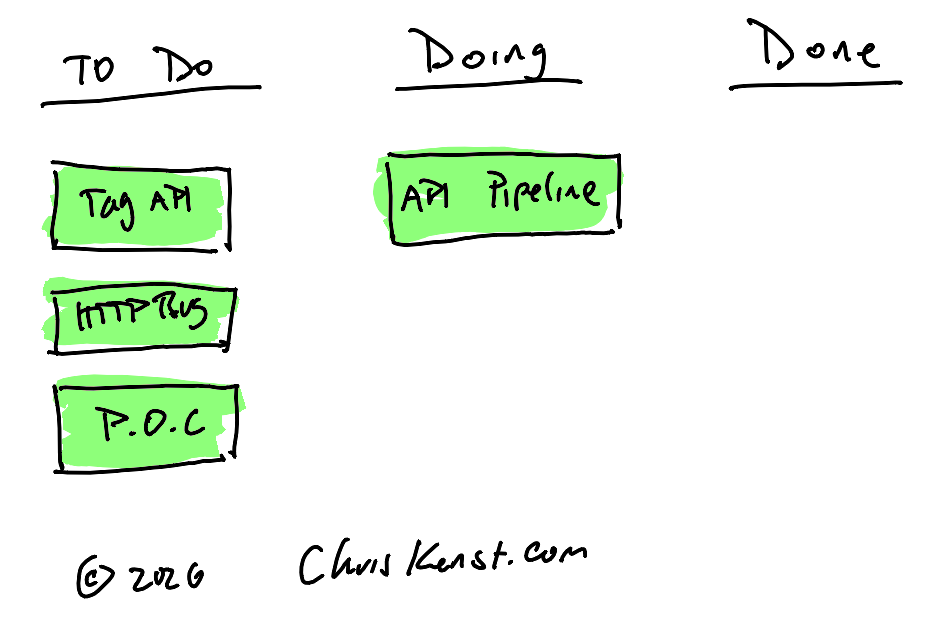
The tickets are relatively straightforward. One involved tagging existing API tests and moving them to their own pipeline. Another required taking a simple bug ticket and building an API test for it. The third took a proof of concept API test that someone had been working on in their spare time and asked them to complete it.
Significant changes often begin with small steps. These small steps can then snowball into larger changes. In the coming months, I anticipate that more and more tickets in our backlog will be below the user interface, eventually reaching the majority.
Member discussion